
CT Calcium Scoring: One of the Most Powerful Tools to Prevent Heart Disease
Heart disease remains the leading cause of death in the United States, often striking without warning. For many people, the first symptom of heart disease is a heart attack. But what if we could identify risk years before symptoms ever appear—early enough to prevent a crisis? One of the most valuable tools for doing exactly that is the CT Calcium Score, a quick and painless scan that measures the amount of calcified plaque inside the coronary arteries.
More and more people are choosing calcium scoring because it provides crystal-clear insight into their heart health, allowing them and their doctors to make informed decisions long before problems develop.
HOW HEART DISEASE STARTS: PLAQUE, INFLAMMATION, AND CALCIUM
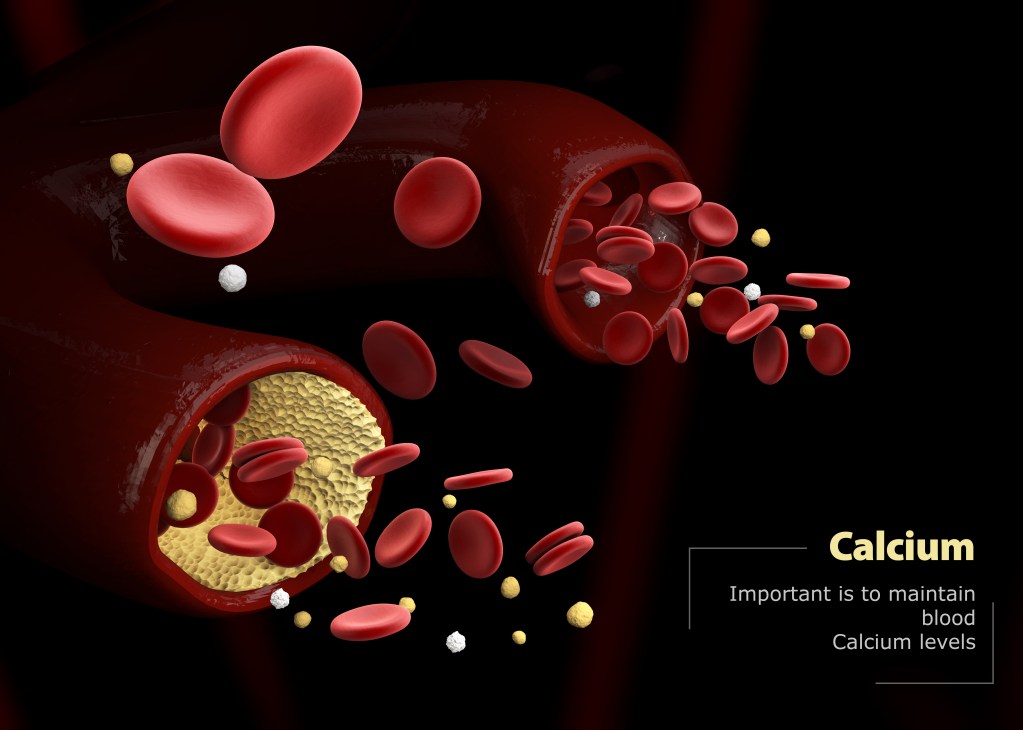
Heart disease is usually the result of atherosclerosis, a slow process in which plaque builds up inside the arteries that supply blood to the heart. Plaque is formed from cholesterol, inflammatory cells, and scar tissue. Over time, as this plaque matures, it begins to harden and becomes calcified—meaning small calcium deposits form within the arterial walls.
This calcium buildup is what a CT Calcium Score measures. Even though plaque starts soft, the calcification process begins surprisingly early in life. Many people develop early plaque in their 30s and 40s with no symptoms at all. As plaque builds, the arteries become narrower and stiffer, reducing blood flow to the heart muscle.

WHAT IS A CT CALCIUM SCORE?
A CT Calcium Score—also called a Coronary Artery Calcium (CAC) Score—is a specialized, low-dose CT scan of the heart that takes only a few seconds. It measures the amount of calcified plaque in the coronary arteries, provides a numerical score reflecting overall plaque burden, and helps determine your true underlying risk of heart attack.
No IV contrast, no needles, and no preparation are required. You simply lay on the scan table for a few heartbeats while the CT scanner images your coronary vessels.
WHY CT CALCIUM SCORING MATTERS
Traditional risk factors like cholesterol and blood pressure don’t always reveal the full picture. The cholesterol level is really just identifying people that have a higher chance of developing heart disease. The calcium score is identifying the actual calcium in the vessels indicating developing narrowing. Some people with “normal” cholesterol still have significant plaque. Others with high cholesterol may actually have little or no plaque.
A CT calcium score gives objective clarity:
- Score 0 – No detectable plaque, very low 5–10 year risk.
- Score 1–99 – Early plaque; lifestyle changes help greatly.
- Score 100–399 – Higher risk; targeted treatment recommended.
- Score 400+ – Significant plaque and high risk of heart attack.
WHO SHOULD CONSIDER CT CALCIUM SCORING?
Adults ages 35–75, especially those with family history of heart disease, high cholesterol, high blood pressure, diabetes, smoking history, or people who want a precise assessment of their heart health.
WHY PATIENTS PREFER THIS TEST
- Fast (5 minutes)
- No needles, no contrast needed
- Affordable
- Accurate predictor of future heart attack
- Non-invasive
- Motivating—many people make important lifestyle changes after seeing their score
THE POWER OF EARLY DETECTION
The earlier plaque is identified, the easier it is to stop its progression. With a calcium score, your doctor can guide you through dietary changes, exercise, medications if appropriate, and additional cardiac evaluation.
CT Calcium Scoring empowers you with knowledge long before symptoms ever appear.
For pricing please visit our screening page, additional screenings also available through Health Guardian Imaging can also be found, including Heart Health and Vascular packages! These studies are performed as a screening wellness evaluation and is not a substitute for medical care. Patients should review any abnormal or unexpected findings with their personal healthcare provider. If a patient does not have a primary care provider, the Health Hub Clinic is available as a resource.